
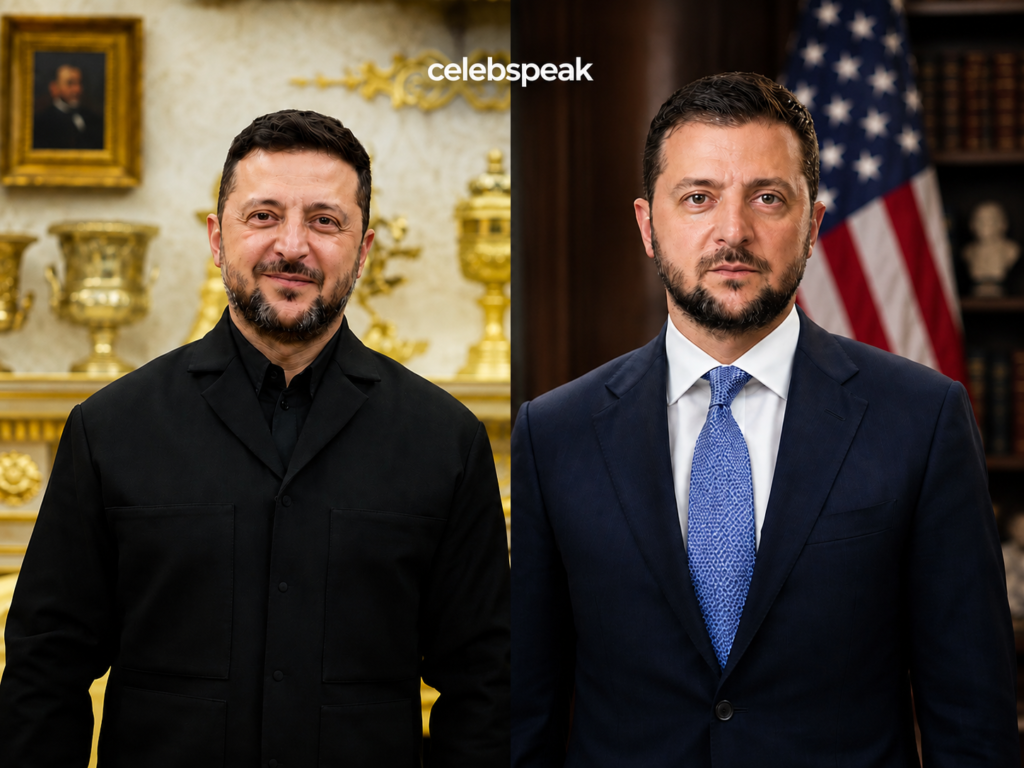

The relationship between former President Donald Trump and Ukrainian President Volodymyr Zelensky has evolved from a controversial phone call that led to impeachment to a high-stakes diplomatic dance on the world stage. It is a relationship defined by sharp contrasts—public clashes and private diplomacy, war and peace, loyalty and criticism. The Zelensky Trump dynamic has become one of the most consequential geopolitical storylines of the decade.
Today, the two leaders find themselves in an unpredictable but frequent dialogue. They have held multiple face-to-face meetings and numerous phone calls, all centered on ending the war in Ukraine. The tone of their interactions has shifted over time, from a dramatic Oval Office shouting match to what Trump has described as a “terrific” meeting. This complex relationship between the U.S. and Ukrainian presidents is not just a matter of personal chemistry; it is a critical factor in the future of European security and the ongoing conflict with Russia. Understanding this dynamic is essential for anyone trying to grasp the current geopolitical landscape.
Quick Facts at a Glance
A Rocky Start: The Shouting Match That Shook the World
The modern relationship between Trump and Zelensky effectively began with a very public and tense confrontation. During a meeting at the White House on February 28, 2025, what was supposed to be a diplomatic event devolved into a shouting match aired live on television . The public argument, involving U.S. Vice President JD Vance, centered on gratitude and the future of the war .
“You should be thanking the president for trying to bring an end to this conflict,” Vance told Zelensky . Trump then rebuked Zelensky, saying he was “in no position to dictate what we are going to feel” given his country’s precarious situation in the war. This confrontation led to the cancellation of a planned press conference and the signing of a U.S.-Ukraine minerals deal . In a subsequent social media post, Trump declared that Zelensky was “not ready for Peace” and could return when he was ready .
While initially a low point, this moment also became a turning point. It forced both sides to reset expectations and opened a path for more direct, albeit often blunt, communication. It highlighted the transactional nature that Trump often brings to foreign policy and the immense pressure on Zelensky to secure American support .
From Confrontation to Cooperation: A Shift in Tone
Despite the explosive start, the [zelensky trump] relationship showed signs of significant warming over the following months. By August 2025, the two were holding bilateral meetings at the White House again, this time with a far more positive tone . Trump described progress in resolving the war, while Zelensky expressed support for a diplomatic solution and said the conversation was “very good” . Even Trump’s attire criticism of Zelensky softened, with the Ukrainian president famously joking back, “You are in the same suit. I changed, you have not” .
This shift was not just cosmetic. By December 2025, a meeting at Trump’s Mar-a-Lago club was described as “terrific,” with both leaders indicating that a peace deal was close . Zelensky stated that about 90 percent of the peace plan had been agreed upon . The dynamic had moved from public recriminations to a shared, albeit cautious, optimism about a deal. Trump’s view of Zelensky also appears to have evolved. According to a report from the Wall Street Journal cited in late July 2026, Trump had grown impressed with Zelensky’s resilience and effectiveness on the battlefield, shifting from a stance of defeat to one of seeing the Ukrainian president as a “winner” . This perception aligns with Trump’s reported admiration for strength and success.
The Path to Peace: Negotiating an End to War
The core of the Trump-Zelensky dialogue is the ongoing effort to end the nearly four-year-old war with Russia. In mid-2025, Trump reported that he was making progress and working with all parties to ensure peace . This was echoed by the Kremlin, which confirmed a “highly constructive” phone call between Trump and Putin in July 2026, where both discussed a settlement in Ukraine .
Zelensky has publicly stated his commitment to a diplomatic solution, saying, “We need to be strong at the negotiating table” . He supports the idea of finishing the war in a diplomatic way and has expressed readiness for trilateral meetings involving the U.S., Ukraine, and Russia . Trump, for his part, has pushed for a deal and indicated that an early resolution to the conflict is a prerequisite for unlocking deeper U.S.-Russia economic cooperation . The push for a deal includes near-continuous communication, with Trump holding separate phone calls with both Putin and Zelensky, including on U.S. Independence Day 2026 .
Sticking Points: Security Guarantees and Territory
Despite the positive language, several “thorny issues” remain . A key area of disagreement is the nature of the security guarantees for Ukraine. Zelensky has insisted that security guarantees are the “key milestone in achieving lasting peace” . He has indicated a willingness to drop Ukraine’s bid to join NATO in exchange for similar, NATO-like protection from the U.S. and European nations .
Trump has acknowledged that there will be a “strong” security agreement, but the specifics and the commitment level remain unclear . He has suggested European nations should take the lead on providing these guarantees . This pushes the burden onto European allies, adding a layer of complexity to the negotiations. Furthermore, Trump and Putin reportedly share a view that a temporary ceasefire would only “prolong the conflict,” indicating a push for a more comprehensive, permanent agreement, which would be far more difficult to achieve .
Influence and Shifting Perceptions
Trump’s view of the war is not formed in a vacuum. It is influenced by figures in his circle and by public relations efforts. According to a July 2026 report, Trump’s renewed optimism regarding Zelensky was partly shaped by meetings with Ukrainian heavyweight boxing champion Oleksandr Usyk, who impressed upon Trump that Ukrainians are “warriors” .
Moreover, Trump has been influenced by right-wing activist Laura Loomer, who, after visiting Kyiv and interviewing Zelensky, shifted her position and now praises him as a “wartime leader” . This suggests that direct personal interaction and curated narratives can be effective in shaping Trump’s views on complex geopolitical issues.
Key Takeaways
- Transactional Diplomacy: The Trump-Zelensky relationship is highly transactional, with Trump appearing to value direct results and personal chemistry.
- A War of Public Perception: The dynamic has played out in the media, from a public Oval Office argument to conciliatory joint press conferences.
- Peace is the Priority: Both leaders publicly share the goal of ending the war in Ukraine, and this commonality drives their dialogue.
- Security Guarantees are Central: The issue of how and by whom Ukraine will be protected post-war is the biggest obstacle to a final deal.
- Shifting Alliances: European nations are being asked to take on more responsibility for Ukraine’s security, potentially reshaping transatlantic relations.
Frequently Asked Questions (FAQs)
1. What was the cause of the shouting match between Trump and Zelensky in February 2025?
The argument erupted when U.S. Vice President JD Vance told President Zelensky he should be more thankful for U.S. efforts. Trump then criticized Zelensky’s position, leading to a heated exchange. The incident derailed a planned minerals deal signing .
2. Have Trump and Zelensky had successful meetings since their argument?
Yes, they have had multiple meetings since then, including at the White House in August 2025 and at Trump’s Mar-a-Lago estate in December 2025. These meetings were described by both as “terrific” and “very good,” and they focused on making progress toward a peace deal .
3. What are the main obstacles to a peace deal between Ukraine and Russia?
The major obstacles include Ukraine’s security guarantees (with Kyiv wanting strong NATO-like protection), territorial control (with Russia insisting on holding captured areas), and the sequencing of a ceasefire versus a comprehensive peace agreement .
4. What role is Donald Trump playing in the Russia-Ukraine war?
Trump has positioned himself as a primary mediator, holding frequent calls with both Putin and Zelensky. He has hosted them for meetings and aims to broker a final peace deal. His push is for a comprehensive agreement rather than a temporary truce .
5. Has Trump threatened to withhold support from Ukraine?
Yes, after the February 2025 argument, Trump warned Zelensky to make peace or risk losing American support . This demonstrated his willingness to use military aid as a significant lever in negotiations.
6. What does Zelensky say he needs from a peace deal?
Zelensky has emphasized that security guarantees are of “key milestone” and the “most important thing for people in Ukraine” . He has also indicated that Ukraine is willing to do “whatever it takes to stop this war,” but only with a strong commitment from its allies to prevent future aggression .
7. How do European leaders view the Trump-Zelensky peace efforts?
European leaders have been keen to be involved in the process to avoid being sidelined. Several, including the British PM and French President, have met with Trump and Zelensky. They have urged Trump to ensure a deal doesn’t come at Ukraine’s expense and have been asked to provide the primary security guarantees .
8. Has the relationship between Trump and Zelensky improved over time?
Yes, despite a very rocky start, the relationship appears to have significantly improved. By 2026, Trump was reportedly viewing Zelensky in a more positive light, impressed by his resilience. The tone of their meetings and public statements has become much more cooperative .
Conclusion
The [zelensky trump] relationship is a defining feature of modern international diplomacy—a story of how two strong-willed leaders have navigated from near-total breakdown to a fragile but functional partnership. While the personal rapport is important, the stakes of their engagement are immense. Their ability to find common ground could shape the terms of peace in Ukraine and the future of the transatlantic alliance. The world continues to watch as this diplomatic drama unfolds.